What a High-Quality Online Lesson Looks Like
. . . and how to know if an online lesson is a waste of time
FOR PARENTS
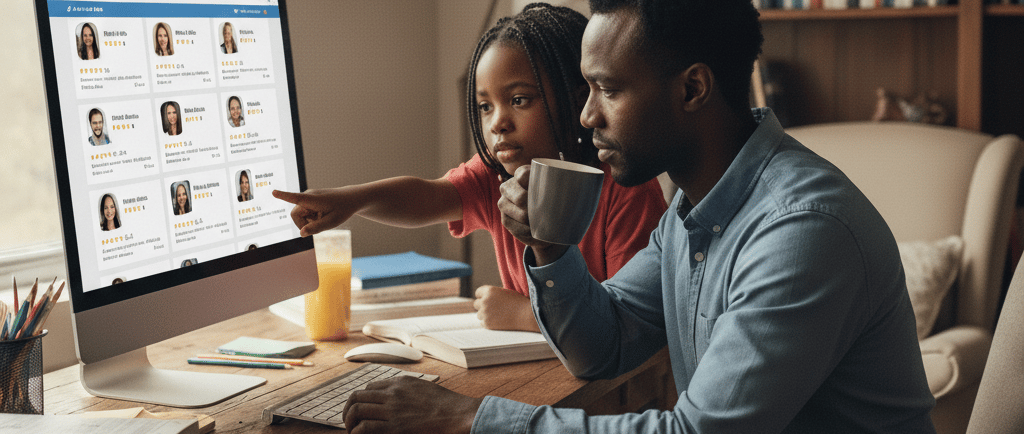

Online learning has evolved from a temporary "emergency" measure in response to a global pandemic into a powerful tool for personalized education. In fact, the online tutoring industry is projected to experience robust growth in the coming years, partly due to an increasing demand for personalized, flexible learning models.
However, not every virtual class is created equal. As a parent, knowing how to distinguish a transformative educational experience from a time-wasting sessions is essential to ensuring your child’s success.
A top-tier online lesson is not just a broadcasted version of a traditional lecture; it is designed specifically for the digital medium. So, do not expect things to go exactly as they do in lecture halls (but online).
Here are some things that you should look out for:
Active Engagement vs. Passive Watching: Look for lessons where students are "active partners" rather than silent observers. Active methods of processing information (writing, peer explanations, teaching back) lead to a significantly greater learning experience than passively receiving information (reading, listening).
Active engagement during learning times also includes using tools like interactive whiteboards, live polls, breakout rooms for small-group discussion, and real-time quizzes.Structured and Predictable Routine: High-quality tutoring programs provide a clear syllabus, explicit learning goals, and a consistent schedule. These things help students know exactly what is expected of them before the session begins, therefore helping them prepare better.
Personalized Feedback and Interaction: Look out for the "synergy" between the tutor and the student. For example, does the instructor provides specific, timely feedback rather than generic praise? Does the tutor adapt their pace to your child’s individual learning style?
A Sense of Community: Even online, a great lesson fosters a sense of belonging. This is especially the case in group lessons where each child is more likely to receive extra support from their peers.
The "Flipped" Classroom: Many effective tutors ask students to review materials (videos or readings) before the live session, so class time can be spent on high-level discussion and problem-solving.
Warning signs: When an Online Lesson is a Waste of Time
If you notice these red flags, it may be time to reconsider the program or tutor:
If the lesson consists primarily of a teacher lecturing while students sit with cameras off, it is likely ineffective.
If the tutor arrives without a plan, asks "What do you want to do today?" every time, or lacks a clear way to track progress, they are likely not maximizing your child’s potential.
While occasional glitches happen, persistent issues with audio, video, or unstable platforms waste valuable learning minutes.
Be wary of programs that rely solely on static PDFs or YouTube videos that you could find for free. You are paying for the instruction and interaction, not just the content.
If you haven't received a progress report or "frank assessment" of your child's weaknesses after 6–8 sessions, the program may lack accountability.
Here's how you can evaluate the tutoring quality by yourself:
Step 1: Never commit long-term without a trial lesson. Watch how the teacher reacts when your child struggles—do they encourage or just give the answer?
Step 2: During the lesson, is your child typing, speaking, or solving problems? Or are they just staring at the screen? Ask for lesson recordings. One isn't enough, but more than 3 may be unnecessary if you're just checking for quality.
Step 3: A reputable tutor should be able to provide a syllabus, or learning path, for how they will reach your child's goals.
When you focus on interactivity, structure, and personalized feedback, you can ensure your child’s online education is an investment in their future rather than just more screen time.